 Image 1 of 1
BPC-157 (Body Protection Compound-157), also known as bepecin or PL-14736, is a synthetic pentadecapeptide consisting of 15 amino acids with the sequence Gly-Glu-Pro-Pro-Pro-Gly-Lys-Pro-Ala-Asp-Asp-Ala-Gly-Leu-Val. It is derived from a protective protein fragment naturally found in human gastric juice. 
This stable peptide is highly resistant to enzymatic breakdown and gastric acid, making it suitable for various research applications. It has been extensively studied in preclinical (animal) models for its potential cytoprotective, regenerative, and healing properties across multiple tissue types.
Key Research Areas for BPC-157
• Tissue Repair and Regeneration: BPC-157 is primarily investigated for accelerating the healing of tendons, ligaments, muscles, bones, and skin wounds. It appears to promote collagen synthesis, enhance fibroblast activity, and support structural and functional recovery in injury models (e.g., Achilles tendon ruptures or muscle tears). 
• Angiogenesis and Blood Flow: It may stimulate the formation of new blood vessels (via pathways like VEGF signaling) and improve circulation to damaged areas, aiding nutrient delivery and repair processes. 
• Gastrointestinal Protection: As a gastric-derived compound, it shows strong potential in supporting mucosal integrity, protecting against ulcers, counteracting NSAID- or toxin-induced damage, and promoting gut lining repair in animal studies.
• Anti-Inflammatory and Cytoprotective Effects: Research suggests it modulates inflammatory responses, reduces certain cytokines, and protects various organs (including heart, liver, and nerves) from stress or injury without notable toxicity in preclinical models. 
• Other Areas: Limited studies explore its effects on bone healing, joint recovery, neuroprotection, and growth hormone receptor expression.
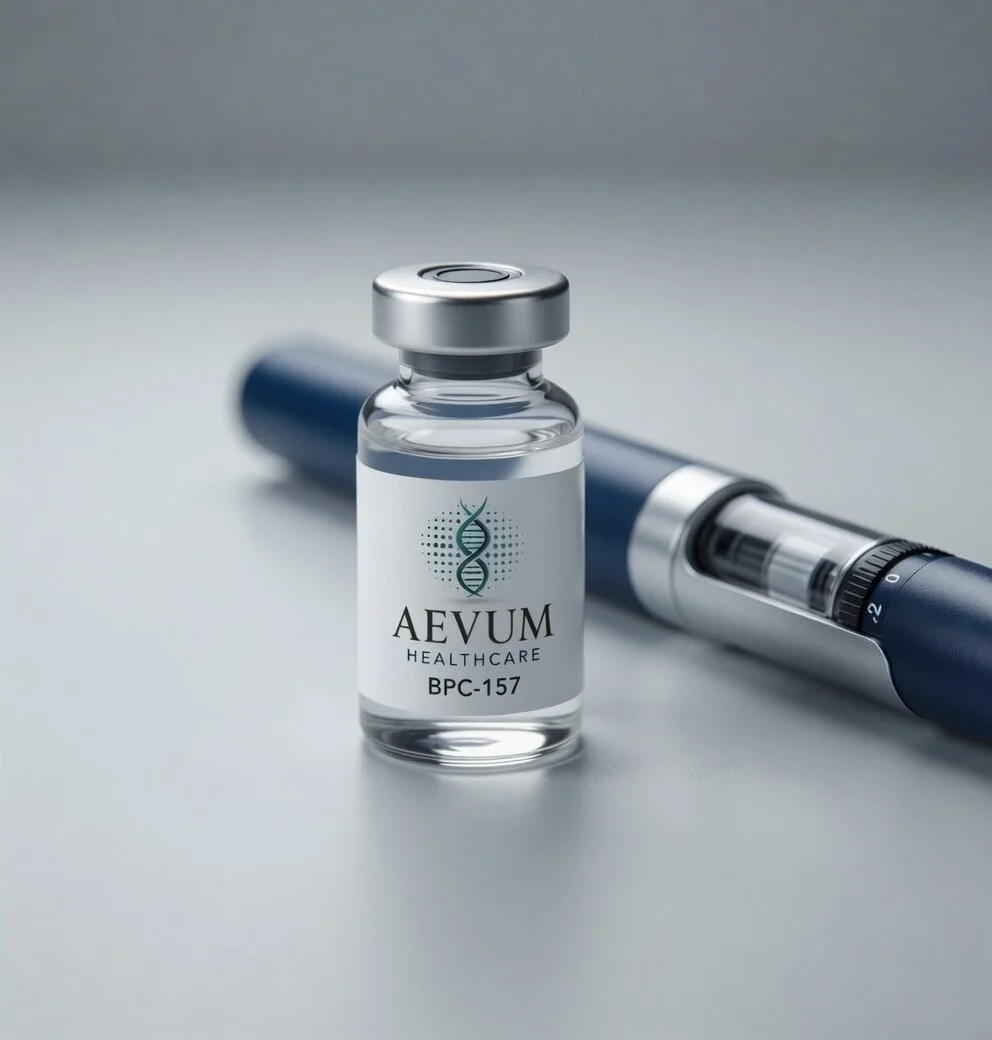
BPC-157 is typically offered as a lyophilized powder in vials (e.g., 5mg or 10mg) for laboratory research use. It is stable in solution and can be reconstituted for in vitro or in vivo experimental applications.
Important Note: BPC-157 is sold strictly for research and analytical purposes only. It is not approved by the FDA or any other regulatory agency for human or veterinary use, consumption, or therapeutic application. Human clinical data remain extremely limited, and safety/efficacy in people has not been established. Always ensure compliance with local laws and regulations when purchasing or handling research peptides.
This product is ideal for laboratories investigating regenerative medicine, wound healing, musculoskeletal recovery, or gastrointestinal cytoprotection. High-purity formulations (often ≥99%) ensure reliable results in controlled experiments.
For your website, here’s a suggested polished product description you can adapt:
BPC-157 – Research Peptide for Tissue Healing Studies
Discover BPC-157, the synthetic 15-amino-acid peptide derived from human gastric protective proteins. Renowned in preclinical research for its remarkable regenerative potential, BPC-157 is studied for its ability to support accelerated tissue repair, angiogenesis, and cytoprotection in models of injury and inflammation.
Whether exploring tendon/ligament recovery, muscle healing, gut integrity, or broader organ protection, BPC-157 offers a stable, versatile tool for advancing scientific understanding of the body’s natural repair mechanisms.
• Sequence: Gly-Glu-Pro-Pro-Pro-Gly-Lys-Pro-Ala-Asp-Asp-Ala-Gly-Leu-Val
• Molecular Weight: ~1419.5 Da
• Form: Lyophilized powder (research grade)
• Purity: 99%+ (HPLC verified)
For research use only. Not for human consumption
BPC-157 (Body Protection Compound-157), also known as bepecin or PL-14736, is a synthetic pentadecapeptide consisting of 15 amino acids with the sequence Gly-Glu-Pro-Pro-Pro-Gly-Lys-Pro-Ala-Asp-Asp-Ala-Gly-Leu-Val. It is derived from a protective protein fragment naturally found in human gastric juice. 
This stable peptide is highly resistant to enzymatic breakdown and gastric acid, making it suitable for various research applications. It has been extensively studied in preclinical (animal) models for its potential cytoprotective, regenerative, and healing properties across multiple tissue types.
Key Research Areas for BPC-157
• Tissue Repair and Regeneration: BPC-157 is primarily investigated for accelerating the healing of tendons, ligaments, muscles, bones, and skin wounds. It appears to promote collagen synthesis, enhance fibroblast activity, and support structural and functional recovery in injury models (e.g., Achilles tendon ruptures or muscle tears). 
• Angiogenesis and Blood Flow: It may stimulate the formation of new blood vessels (via pathways like VEGF signaling) and improve circulation to damaged areas, aiding nutrient delivery and repair processes. 
• Gastrointestinal Protection: As a gastric-derived compound, it shows strong potential in supporting mucosal integrity, protecting against ulcers, counteracting NSAID- or toxin-induced damage, and promoting gut lining repair in animal studies.
• Anti-Inflammatory and Cytoprotective Effects: Research suggests it modulates inflammatory responses, reduces certain cytokines, and protects various organs (including heart, liver, and nerves) from stress or injury without notable toxicity in preclinical models. 
• Other Areas: Limited studies explore its effects on bone healing, joint recovery, neuroprotection, and growth hormone receptor expression.
BPC-157 is typically offered as a lyophilized powder in vials (e.g., 5mg or 10mg) for laboratory research use. It is stable in solution and can be reconstituted for in vitro or in vivo experimental applications.
Important Note: BPC-157 is sold strictly for research and analytical purposes only. It is not approved by the FDA or any other regulatory agency for human or veterinary use, consumption, or therapeutic application. Human clinical data remain extremely limited, and safety/efficacy in people has not been established. Always ensure compliance with local laws and regulations when purchasing or handling research peptides.
This product is ideal for laboratories investigating regenerative medicine, wound healing, musculoskeletal recovery, or gastrointestinal cytoprotection. High-purity formulations (often ≥99%) ensure reliable results in controlled experiments.
For your website, here’s a suggested polished product description you can adapt:
BPC-157 – Research Peptide for Tissue Healing Studies
Discover BPC-157, the synthetic 15-amino-acid peptide derived from human gastric protective proteins. Renowned in preclinical research for its remarkable regenerative potential, BPC-157 is studied for its ability to support accelerated tissue repair, angiogenesis, and cytoprotection in models of injury and inflammation.
Whether exploring tendon/ligament recovery, muscle healing, gut integrity, or broader organ protection, BPC-157 offers a stable, versatile tool for advancing scientific understanding of the body’s natural repair mechanisms.
• Sequence: Gly-Glu-Pro-Pro-Pro-Gly-Lys-Pro-Ala-Asp-Asp-Ala-Gly-Leu-Val
• Molecular Weight: ~1419.5 Da
• Form: Lyophilized powder (research grade)
• Purity: 99%+ (HPLC verified)
For research use only. Not for human consumption