 Image 1 of 1
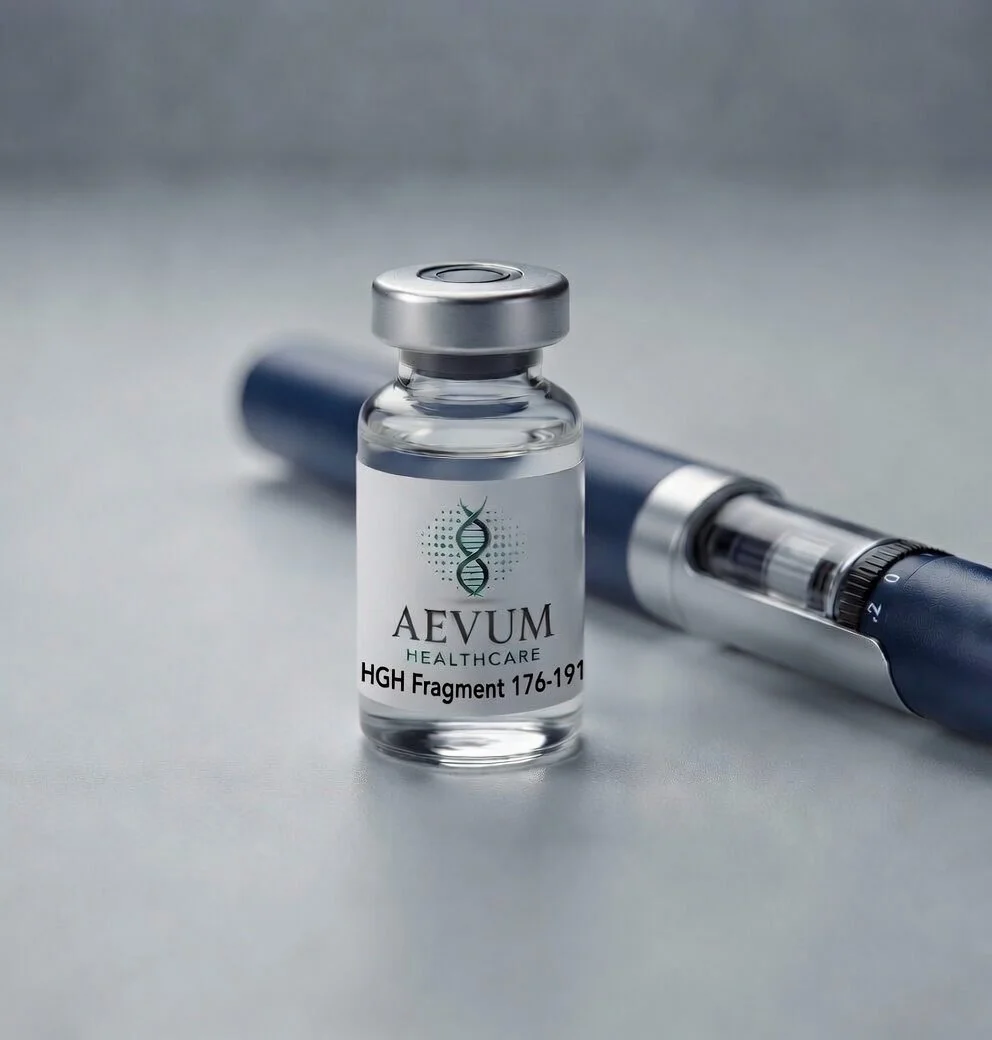
HGH Fragment 176-191 Human Growth Hormone Fragment 176-191
HGH Fragment 176-191 is a synthetic peptide consisting of the C-terminal portion of the human growth hormone molecule (amino acids 176–191). It is specifically modified to retain the lipolytic (fat-burning) effects of full-length HGH while eliminating its growth-promoting and insulin-like effects.
Key Characteristics:
Sequence: Tyr-Leu-Arg-Ile-Val-Gln-Cys-Arg-Ser-Val-Glu-Gly-Ser-Cys-Gly-Phe (with a tyrosine addition at the N-terminus in many research versions)
Molecular Weight: Approximately 1,814 Da
Mechanism: Mimics the fat-metabolizing domain of HGH without stimulating IGF-1 production or promoting linear growth
Selectivity: High specificity for lipolysis with minimal impact on blood glucose or muscle growth
Research Applications:
Fat metabolism and lipolysis studies
Body composition and adipose tissue reduction research
Obesity and metabolic disorder models
Regulation of lipid mobilization and β3-adrenergic receptor pathways
Comparison studies with full-length recombinant human growth hormone (rhGH)
HGH Fragment 176-191 is one of the most studied fragments of growth hormone due to its ability to promote fat breakdown while avoiding the broader anabolic or diabetogenic effects associated with complete HGH.
For laboratory research use only. Not intended for human or veterinary use.
HGH Fragment 176-191 Human Growth Hormone Fragment 176-191
HGH Fragment 176-191 is a synthetic peptide consisting of the C-terminal portion of the human growth hormone molecule (amino acids 176–191). It is specifically modified to retain the lipolytic (fat-burning) effects of full-length HGH while eliminating its growth-promoting and insulin-like effects.
Key Characteristics:
Sequence: Tyr-Leu-Arg-Ile-Val-Gln-Cys-Arg-Ser-Val-Glu-Gly-Ser-Cys-Gly-Phe (with a tyrosine addition at the N-terminus in many research versions)
Molecular Weight: Approximately 1,814 Da
Mechanism: Mimics the fat-metabolizing domain of HGH without stimulating IGF-1 production or promoting linear growth
Selectivity: High specificity for lipolysis with minimal impact on blood glucose or muscle growth
Research Applications:
Fat metabolism and lipolysis studies
Body composition and adipose tissue reduction research
Obesity and metabolic disorder models
Regulation of lipid mobilization and β3-adrenergic receptor pathways
Comparison studies with full-length recombinant human growth hormone (rhGH)
HGH Fragment 176-191 is one of the most studied fragments of growth hormone due to its ability to promote fat breakdown while avoiding the broader anabolic or diabetogenic effects associated with complete HGH.
For laboratory research use only. Not intended for human or veterinary use.