 Image 1 of 1
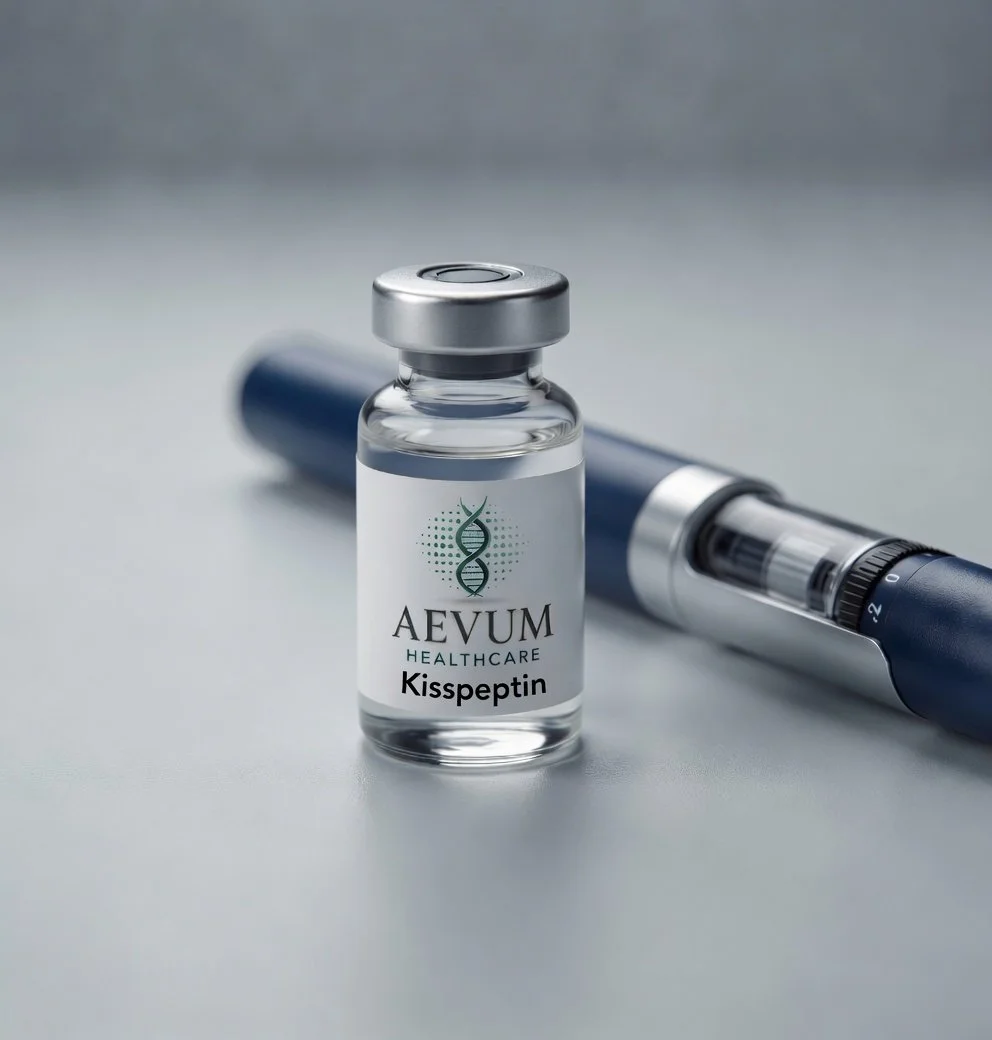
Kisspeptin-10 / Metastin
Kisspeptin is a neuropeptide that plays a central role in the regulation of the hypothalamic-pituitary-gonadal (HPG) axis. It is the endogenous ligand for the G-protein-coupled receptor KISS1R (formerly GPR54).
Key Characteristics:
Sequence (Kisspeptin-10): Tyr-Asn-Trp-Asn-Ser-Phe-Gly-Leu-Arg-Phe-NH₂
Mechanism: Potent stimulator of gonadotropin-releasing hormone (GnRH) neurons in the hypothalamus, leading to increased secretion of luteinizing hormone (LH) and follicle-stimulating hormone (FSH)
Properties: Acts as the master regulator (“gatekeeper”) of puberty onset and reproductive function
Potency: Extremely high – nanomolar concentrations are biologically active
Research Applications:
Reproductive endocrinology and fertility studies
Regulation of puberty onset and hypothalamic amenorrhea research
Polycystic ovary syndrome (PCOS) and hypogonadotropic hypogonadism models
Gonadotropin pulse generator investigations
Neuroendocrine control of reproduction and sex hormone feedback loops
Potential therapeutic modulation of the HPG axis
Kisspeptin is widely regarded as one of the most important discoveries in reproductive neuroendocrinology. It is frequently used in laboratory research to study the upstream control of GnRH pulsatility and its downstream effects on LH/FSH release and gonadal function.
For laboratory research use only. Not intended for human or veterinary use.
Kisspeptin-10 / Metastin
Kisspeptin is a neuropeptide that plays a central role in the regulation of the hypothalamic-pituitary-gonadal (HPG) axis. It is the endogenous ligand for the G-protein-coupled receptor KISS1R (formerly GPR54).
Key Characteristics:
Sequence (Kisspeptin-10): Tyr-Asn-Trp-Asn-Ser-Phe-Gly-Leu-Arg-Phe-NH₂
Mechanism: Potent stimulator of gonadotropin-releasing hormone (GnRH) neurons in the hypothalamus, leading to increased secretion of luteinizing hormone (LH) and follicle-stimulating hormone (FSH)
Properties: Acts as the master regulator (“gatekeeper”) of puberty onset and reproductive function
Potency: Extremely high – nanomolar concentrations are biologically active
Research Applications:
Reproductive endocrinology and fertility studies
Regulation of puberty onset and hypothalamic amenorrhea research
Polycystic ovary syndrome (PCOS) and hypogonadotropic hypogonadism models
Gonadotropin pulse generator investigations
Neuroendocrine control of reproduction and sex hormone feedback loops
Potential therapeutic modulation of the HPG axis
Kisspeptin is widely regarded as one of the most important discoveries in reproductive neuroendocrinology. It is frequently used in laboratory research to study the upstream control of GnRH pulsatility and its downstream effects on LH/FSH release and gonadal function.
For laboratory research use only. Not intended for human or veterinary use.