 Image 1 of 1
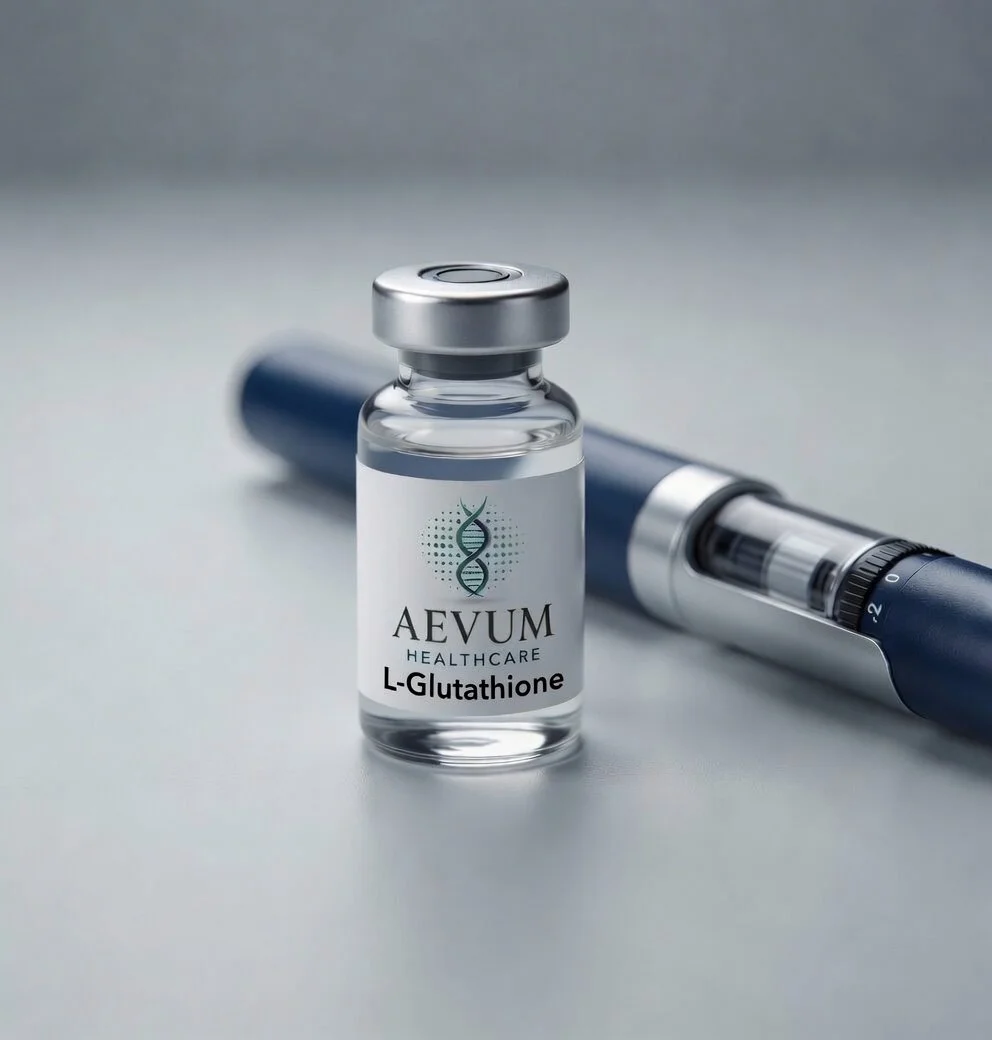
L-Glutathione Reduced Glutathione (GSH)
L-Glutathione is the most abundant intracellular antioxidant and a tripeptide composed of three amino acids: glutamate, cysteine, and glycine. It exists primarily in its reduced form (GSH), which serves as a critical cellular defense against oxidative stress.
Key Characteristics:
Structure: γ-Glu-Cys-Gly (tripeptide)
Mechanism: Acts as a major redox buffer; directly scavenges reactive oxygen species (ROS), regenerates vitamins C and E, and serves as a cofactor for glutathione peroxidase and glutathione S-transferase enzymes
Properties: Essential for detoxification of xenobiotics, heavy metals, and peroxides; maintains cellular thiol redox homeostasis
Bioavailability: Poor oral absorption in its free form, often studied in stabilized or liposomal preparations
Research Applications:
Oxidative stress and cellular redox balance studies
Liver detoxification and hepatoprotection research
Neuroprotection and neurodegenerative disease models (Parkinson’s, Alzheimer’s)
Immune system modulation and inflammation studies
Anti-aging and mitochondrial function investigations
Heavy metal chelation and environmental toxin clearance
Skin brightening and pigmentation research
L-Glutathione is widely regarded as the body’s master antioxidant. It plays a central role in maintaining cellular integrity, supporting immune function, and protecting against oxidative damage across multiple organ systems.
For laboratory research use only. Not intended for human or veterinary use.
L-Glutathione Reduced Glutathione (GSH)
L-Glutathione is the most abundant intracellular antioxidant and a tripeptide composed of three amino acids: glutamate, cysteine, and glycine. It exists primarily in its reduced form (GSH), which serves as a critical cellular defense against oxidative stress.
Key Characteristics:
Structure: γ-Glu-Cys-Gly (tripeptide)
Mechanism: Acts as a major redox buffer; directly scavenges reactive oxygen species (ROS), regenerates vitamins C and E, and serves as a cofactor for glutathione peroxidase and glutathione S-transferase enzymes
Properties: Essential for detoxification of xenobiotics, heavy metals, and peroxides; maintains cellular thiol redox homeostasis
Bioavailability: Poor oral absorption in its free form, often studied in stabilized or liposomal preparations
Research Applications:
Oxidative stress and cellular redox balance studies
Liver detoxification and hepatoprotection research
Neuroprotection and neurodegenerative disease models (Parkinson’s, Alzheimer’s)
Immune system modulation and inflammation studies
Anti-aging and mitochondrial function investigations
Heavy metal chelation and environmental toxin clearance
Skin brightening and pigmentation research
L-Glutathione is widely regarded as the body’s master antioxidant. It plays a central role in maintaining cellular integrity, supporting immune function, and protecting against oxidative damage across multiple organ systems.
For laboratory research use only. Not intended for human or veterinary use.