 Image 1 of 1
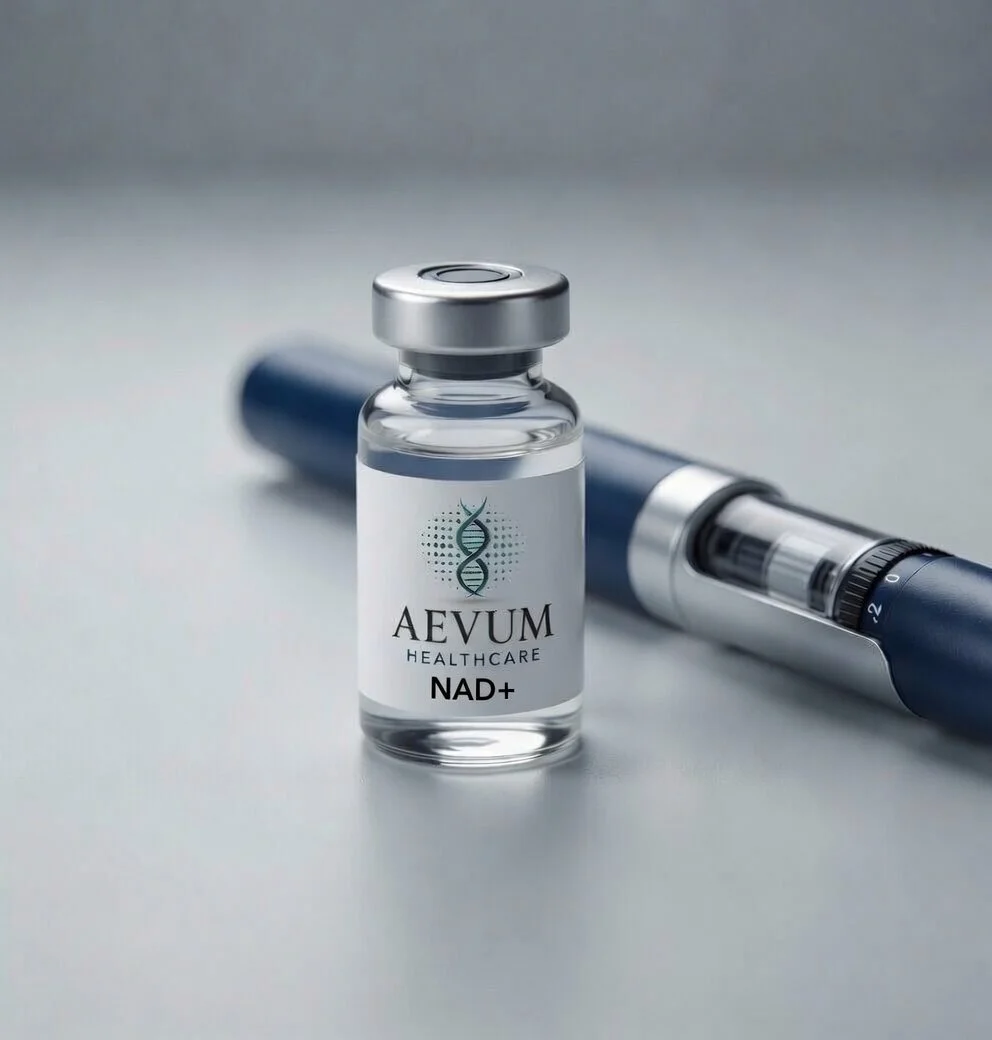
NAD+ Nicotinamide Adenine Dinucleotide (Oxidized Form)
NAD+ is a vital coenzyme found in all living cells and serves as a central electron carrier in cellular metabolism. It plays a fundamental role in energy production, DNA repair, and cellular signaling.
Key Characteristics:
Structure: Composed of two nucleotides joined through their phosphate groups (nicotinamide mononucleotide + adenosine monophosphate)
Mechanism: Acts as an essential cofactor for dehydrogenases in glycolysis, the TCA cycle, and oxidative phosphorylation; also serves as a substrate for sirtuins, PARPs, and CD38 enzymes
Properties: Critical regulator of cellular redox state, mitochondrial function, and epigenetic control via NAD+-dependent enzymes
Decline: Levels naturally decrease with age, contributing to metabolic dysfunction and reduced cellular resilience
Research Applications:
Mitochondrial function and bioenergetics studies
Aging and longevity research (NAD+ boosters and precursors)
Sirtuin activation and epigenetic regulation
DNA repair and genomic stability investigations
Metabolic syndrome, insulin resistance, and obesity models
Neurodegenerative disease and neuroprotection studies
Cellular senescence and inflammation research
NAD+ is widely recognized as one of the most important molecules in cellular health. Maintaining optimal NAD+ levels is a major focus in current research on aging, metabolic health, and regenerative medicine.
For laboratory research use only. Not intended for human or veterinary use.
NAD+ Nicotinamide Adenine Dinucleotide (Oxidized Form)
NAD+ is a vital coenzyme found in all living cells and serves as a central electron carrier in cellular metabolism. It plays a fundamental role in energy production, DNA repair, and cellular signaling.
Key Characteristics:
Structure: Composed of two nucleotides joined through their phosphate groups (nicotinamide mononucleotide + adenosine monophosphate)
Mechanism: Acts as an essential cofactor for dehydrogenases in glycolysis, the TCA cycle, and oxidative phosphorylation; also serves as a substrate for sirtuins, PARPs, and CD38 enzymes
Properties: Critical regulator of cellular redox state, mitochondrial function, and epigenetic control via NAD+-dependent enzymes
Decline: Levels naturally decrease with age, contributing to metabolic dysfunction and reduced cellular resilience
Research Applications:
Mitochondrial function and bioenergetics studies
Aging and longevity research (NAD+ boosters and precursors)
Sirtuin activation and epigenetic regulation
DNA repair and genomic stability investigations
Metabolic syndrome, insulin resistance, and obesity models
Neurodegenerative disease and neuroprotection studies
Cellular senescence and inflammation research
NAD+ is widely recognized as one of the most important molecules in cellular health. Maintaining optimal NAD+ levels is a major focus in current research on aging, metabolic health, and regenerative medicine.
For laboratory research use only. Not intended for human or veterinary use.