 Image 1 of 1
Retatrutide Triple Agonist (GLP-1 / GIP / Glucagon Receptor Agonist)
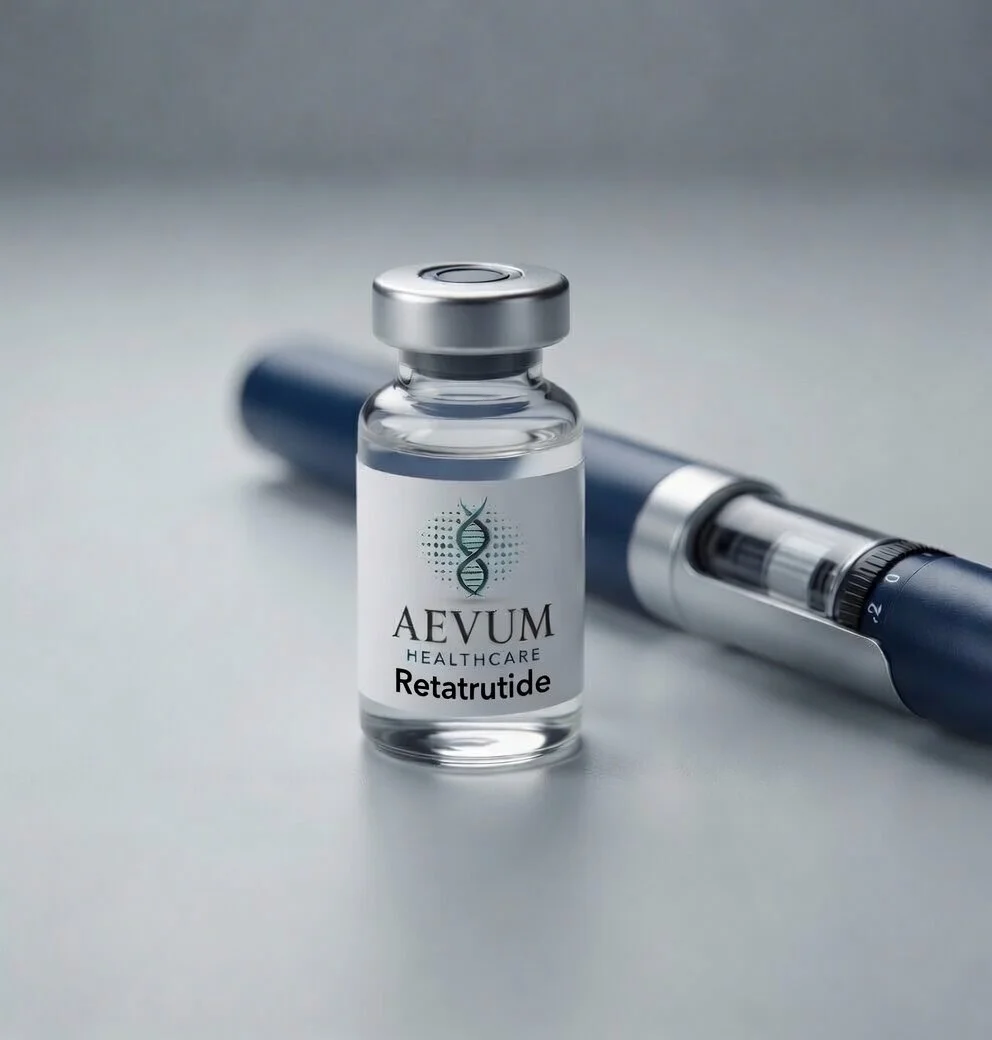
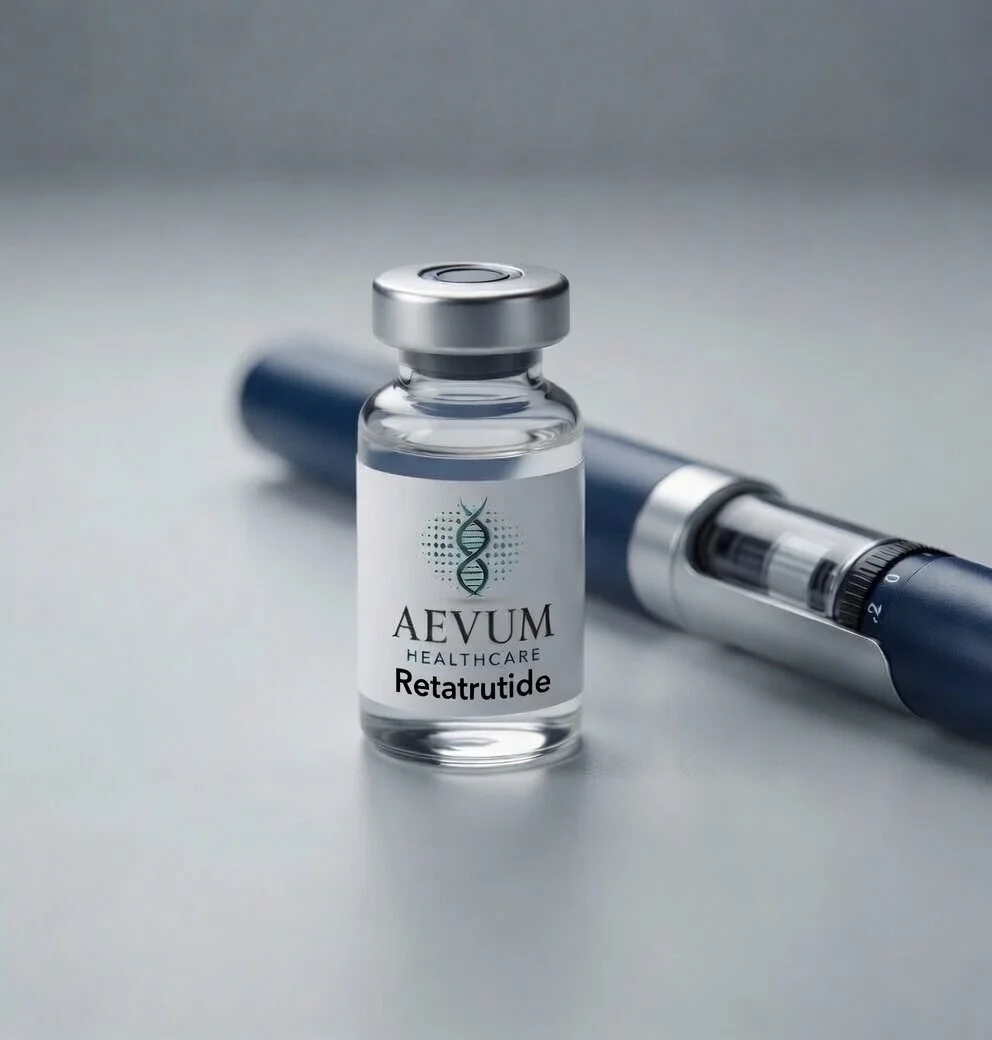
Retatrutide is a novel synthetic 39-amino acid peptide that functions as a triple hormone receptor agonist, simultaneously targeting glucagon-like peptide-1 (GLP-1), glucose-dependent insulinotropic polypeptide (GIP), and glucagon receptors.
Key Characteristics:
Structure: Engineered peptide with lipidation for extended half-life and balanced agonism across three receptors
Mechanism:
GLP-1 receptor activation → insulin secretion, appetite suppression, delayed gastric emptying
GIP receptor activation → enhanced insulin secretion and lipid metabolism
Glucagon receptor activation → increased energy expenditure, lipolysis, and hepatic fat oxidation
Half-life: Approximately 6 days, supporting once-weekly dosing
Research Applications:
Severe obesity and substantial weight loss studies
Type 2 diabetes and glycemic control research
Metabolic syndrome and insulin resistance models
Non-alcoholic steatohepatitis (NASH) and liver fat reduction
Body composition and lean mass preservation during weight loss
Energy expenditure and lipid metabolism investigations
Retatrutide is currently one of the most advanced "triple agonist" candidates in metabolic research. By activating all three receptors (GLP-1 + GIP + Glucagon), it aims to achieve superior weight loss and metabolic benefits compared to dual agonists like tirzepatide, primarily through increased energy expenditure and enhanced fat oxidation while maintaining glycemic control.
For laboratory research use only. Not intended for human or veterinary use.
Retatrutide Triple Agonist (GLP-1 / GIP / Glucagon Receptor Agonist)
Retatrutide is a novel synthetic 39-amino acid peptide that functions as a triple hormone receptor agonist, simultaneously targeting glucagon-like peptide-1 (GLP-1), glucose-dependent insulinotropic polypeptide (GIP), and glucagon receptors.
Key Characteristics:
Structure: Engineered peptide with lipidation for extended half-life and balanced agonism across three receptors
Mechanism:
GLP-1 receptor activation → insulin secretion, appetite suppression, delayed gastric emptying
GIP receptor activation → enhanced insulin secretion and lipid metabolism
Glucagon receptor activation → increased energy expenditure, lipolysis, and hepatic fat oxidation
Half-life: Approximately 6 days, supporting once-weekly dosing
Research Applications:
Severe obesity and substantial weight loss studies
Type 2 diabetes and glycemic control research
Metabolic syndrome and insulin resistance models
Non-alcoholic steatohepatitis (NASH) and liver fat reduction
Body composition and lean mass preservation during weight loss
Energy expenditure and lipid metabolism investigations
Retatrutide is currently one of the most advanced "triple agonist" candidates in metabolic research. By activating all three receptors (GLP-1 + GIP + Glucagon), it aims to achieve superior weight loss and metabolic benefits compared to dual agonists like tirzepatide, primarily through increased energy expenditure and enhanced fat oxidation while maintaining glycemic control.
For laboratory research use only. Not intended for human or veterinary use.